The visit to the Sri Thiruvaliswarar Temple at
Arpakkam was a part of the REACH Foundation’s Epigraphic field visit on 26th
February 2023. Thiruvaliswarar Temple is very close to Sri Adhikesava Perumal Temple and Adhinathar Jain temple in the Kanchipuram district of Arpakkam. The Arpakkam village is on the banks of the river Cheyyar, a
tributary of the Palar River. The river is praised as Pali in Magaral Shiva Temple, Thevara Pathigam. (about 2.2 km from this place).
உரையா தாரில்லை
யொன்றுநின் தன்மையைப்
பரவா தாரில்லை
நாள்களும்
திரையார் பாலியின்
தென்கரை மாற்பேற்
றரையா னேயருள்
நல்கிடே. 1.55.6

இந்த ஆர்பாக்கம் கிராமம் காஞ்சிபுரம்
மாவட்டம் பாலாற்றங் கரையில் அமைந்துள்ளது. இவ்வூர் ஒருகாலத்தில் சமணம், பவுத்தம், வைஷ்ணவம்
மற்றும் சைவம் சிறப்புற்று இருந்தது.. இன்றும் வழிபாட்டில் இருக்கும் சமணர் கோயிலும்,
புத்தரின் பின்னப்பட்ட சிலைகளும் அதற்கு சான்றாக காணப்படுகின்றது. திருவாலீஸ்வரர் என்ற
இந்த சிவன் கோயில் ராமாயாண காவியத்தின் ஒரு பாத்திரமான வாலியால் வணங்கப்பட்டதாகக் கருதப்படுகின்றது. பல்லவர்களால் தொண்டைநாட்டில் கட்டப்பட்ட 108 கஜபிருஷ்ட விமானக் கோயில்களுள்
இதுவும் ஒன்று எனக் கருதப்படுகின்றது. இக்கோயிலில் சோழர், மற்றும் சம்புவராயர்கள் காலத்தைச்
சார்ந்த கல்வெட்டுகள் காணப்படுகின்றன. இக்கல்வெட்டுக்களுள் ஒரு கல்வெட்டு சிங்களப்படைகள்
பாண்டியரை வென்ற பின்பு, சோழநாட்டில் புகுந்து நாசம் விளைவிப்பதைத் தடுக்க 28நாள் அஹோர பூஜைகள் நடத்தப்பட்டதையும்
அதனால் சிங்களப்படையை வெற்றி கொண்டதையும் பதிவு செய்கின்றது.

Moolavar : Sri Thiruvaliswarar
Consort : Sri Tripura Sundari / Thirunallazhaki
Some
of the salient features of this temple are….
The
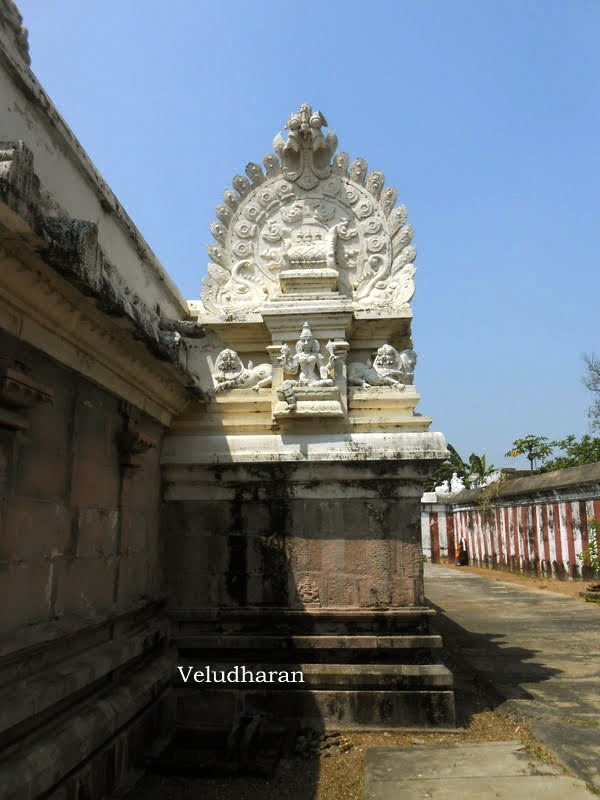
temple faces east with an entrance arch on the South side. A mandapam is
before the south-side entrance arch. Stucco images of Shiva & Parvati in
the form of Rishabaroodar, Vinayagar and Sri Valli Devasena Subramaniyar are on
the top of the entrance arch. Balipeedam, Dwajasthambam and Rishabam are on the
east side. A 4-pillar mandapam is on the left side of the balipeedam. Vinayagar is
on the right side entrance of the sanctum sanctorum. Moolavar is of Swayambhu with
a Kozhu (hit mark) on the top under the Rudraksha pandal. In Koshtam Vinayagar,
Dakshinamurthy with two Sanakathi munivars, Maha Vishnu, Brahma and Durgai.
In
praharam Chandikeswarar, Nalvar, Shiva Lingas include a dhara Lingam, Chandikeswarar, Suryan, Bairavar, Nagars, Navagrahas, Natarajar with Sivakami, balipeedam, and a Rishabam.
In
the outer praharam, Vinayagar, Aiyyanar, Jyeshta Devi / Thavvai and vahana
mandapam.


ARCHITECTURE
The
temple consists of the sanctum sanctorum, antarala, ardha mandapam and Maha
mandapam. The Sanctum Sanctorum is of Gajabirushta style on a pada bandha
adhistanam with jagathy, threepatta Kumudam and Pattigai. An eka tala
Gajabirushta vimanam is over the sanctum sanctorum.


HISTORY
AND INSCRIPTIONS
It is believed that the original temple was
constructed during the Pallava period and reconstructed with stone during the Chola
period. This is one of the 108 Gajaprishta Vimana temples built in Thondai
mandalam.
The inscriptions recorded from this temple belong
to Kulothunga Chozha, Rajarajan-II, Rajathirajan, and Sand Sambuvarayars. Some of the
inscriptions starts with Ganapathiye Namaha – கணபதியே நமக.. and Thiruvaykezhvikku munnaaka
- திருவாய்கேழ்விக்கு முன்னாக....,. As per the inscriptions, this place was in
Jayangonda Chozha Mandalathu Eyir Kottathu, Makaral Nattu Arpakkam. Also called Alpakkam.
Most of the inscriptions record the gifts given to
this temple for burning Lamps, poojas, in terms of Land, etc.
The Kulothunga Chozha III’s inscription records
the endowment of burning a sandhi lamp for which 12 Sava moova peradu/ sheep/goat was gifted to the temple.
The Koparakesari Thirubhuvana Chakravarthikal Rajayiraja Thevar
alias Rajathirajan- II’s 5th reign year (1163 – 1178 CE)
inscription starts with his meikeerthi as ஸ்வஸ்திஸ்ரீ கடல் சூழ்ந்த பார்மாதரும் பூமாதரும் கலைமாதரும் அடல் சூழ்ந்த போர்
மாதரும் சீர்மாதரும் அமர்ந்துவாழ.... This inscription records that the Singhalese army captured the Pandya
country and chased away the King. They also destroyed the Rameswaram Temple,
stopped poojas and looted the Pandaram/treasury. Then, they tried to enter Chozha Country, and
the people were scared. On the way, they looted properties, destroyed temples, and tortured people. Ethirili Chozha Sambuvarayar, a small regional king under
Rajathiraja, handed over a letter to Rajagru Swamithevar alias Gnanasiva of
Rajathiraja, at this place. And requesting to do Parihara
to win the Singhalese army. The Rajaguru
conducted the Apichara Ahora poojas for 28 days. After that, we received a letter from Chozha
Chieftain Pallavarayan, stating that the Singhalese army had been chased away. It
was submitted to Rajaguru, and Sambuvarayar requested that Rajaguru accept something. The Rajaguru asked this Village Alapakkam (167 Veli Land comprising of Nanchei, Punjai, gifted as Irayili after exempting the taxes), and the
same was gifted as irayili (AR No 20 of 1899).
An
inscription in the Thiruvalisvara temple at Arpakkam issued during the reign of
Rajadhiraja Cðlåa II (1172 CE) refers to a Svami-devar named Umapati-devar or
Jnanasiva-devar who hailed from Radha (NAGASWAMY 2010: 256). In fact, Aghora
Saivacarya’s manual for the priests and commentary on Saiva Siddhanta entitled
Aghorasivacaryapaddhati, written in 1158 CE during the reign of Rajaraja Chola
II, refers to a lineage of Saivacaryas belonging to the Amardaka matha, besides
mentioning other mathas like Golaki and Ranabhadra. It also refers to the fact
that most of these acaryas originated from Gaudadesa, Latadesa, Aryadesa and
from Choladesa (ibid.: 248-255). One of the gurus, Srikantha Siva, came from
Gaudadesa to worship Nataraja at Chidambaram and was appointed by Vikrama Chola
as rajaguru. (Thanks, Dr Ravichandran)
The south side mandapa was built by Arpakkam
Mahadeva Rathna Mudaliar on the 25th day of October 1921. Maha Kumbhabhishekam was conducted on 25th
May 2005. The right-side mandapam in front of the Temple was constructed in the Karthigai month in the Vihari Year.


The inscription, which gives the details of the Agora poojas done at this temple


Kulothunga Chozha-III's inscription

Outside the mandapa ceiling inscription
LEGENDS
It is believed that Vali, one of the Ramayana Epic
Characters, worshipped Shri Shiva of this temple. Hence, Shiva obtained the name
of Thiruvaliswarar.
In another legend, to carry out the Brahma Yagna
with the help of Balarama ploughed the land. The plough hit an object. When they excavated, they carefully found the Shiva Linga. Shiva was then called “Kozhu
Nathar” since the iron part of the plough is called Kozhu in Tamil. Shiva was then worshipped by Rajaraja-II and
his son Kulothunga Chozha.
Once Kulothunga Chozha-III’s (...? must be Rajathi
Raja) Rajaguru conducted the Ahora poojas at this place. With the benefit of
this Yagna, Kulothunga Chozha defeated the Singhalese and Pandyas. He gave the village of Arpakkam to his Guru.
POOJAS
AND CELEBRATIONS
Apart from 2 kala poojas, special poojas are
conducted on Pradosham, Maha Shivaratri, Amavasya, Pournami, etc.

TEMPLE
TIMINGS
The temple will be kept open from 07.00 hrs to
10.00 hrs and from 17.00 hrs to 19.00 hrs.
CONTACT
DETAILS
Raja Gurukkal +919443690219 and Rajasekara
Gurukkal +919600999204 may be contacted for further details.
HOW TO
REACH
Arpakkam is about 2.2 km from Magaral, one of the
Thevara Paadal Petra Sthalam, 15 km from Kanchipuram, 37 km from Chengalpattu,
51 km from Tambaram and 82 km from Chennai Central.
The nearest Railway Station is Kanchipuram.
LOCATION
OF THE TEMPLE: CLICK HERE




Shiva


Suryan and Nagars


Bairavar

A Shiva Linga- Dhara Lingam may belong to another temple


Jyeshta Devi / Thavvai

--- OM SHIVAYA NAMA ---
An inscription in the Thiruvålï¸vara temple at Arpakkam issued during the reign of Råjådhiråja Cðåa II (1172 AD) refers to a Svåmi-dëvar named Umåpati-dëvar or Jñånasiva-dëvar who hailed from Rådha (NAGASWAMY 2010: 256). In fact, Aghora Saivåcårya’s manual for the priests and commentary on Saiva Siddhånta entitled Aghora¸ivåcåryapaddhati, written in 1158 AD during the reign of Råjaråja Cðåa II, refers to a lineage of Saivåcåryas belonging to the Åmardaka matha, besides mentioning other mathas like Golakï and Ranabhadra. It also refers to the fact that most of these åcåryas originated from Gaudadesa, Låtadesa, Åryadesa and from Choladesa (ibid.: 248-255). One of the gurus, Srïkantha Siva, came from
ReplyDeleteGaudadesa to worship Nataråja at Chidambaram and was appointed by Vikrama Chola as råjaguru.
An inscription in the Thiruvalisvara temple at Arpakkam issued during the reign of Rajadhiraja Cðåa II (1172 AD) refers to a Svami-devar named Umapati-devar or Jnanasiva-devar who hailed from Radha (NAGASWAMY 2010: 256). In fact, Aghora Saivacarya’s manual for the priests and commentary on Saiva Siddhanta entitled Aghorasivacaryapaddhati, written in 1158 AD during the reign of Rajaraja Chola II, refers to a lineage of Saivacaryas belonging to the Amardaka matha, besides mentioning other mathas like Golaki and Ranabhadra. It also refers to the fact that most of these acaryas originated from Gaudadesa, Latadesa, Aryadesa and from Choladesa (ibid.: 248-255). One of the gurus, Srikantha Siva, came from Gaudadesa to worship Nataraja at Chidambaram and was appointed by Vikrama Chola as rajaguru.
ReplyDeleteThanks Dr.. Will update the same..
Deleteஅய்யா வணக்கம் . S கிருஷ்ணன் எழுதிய ஆர்ப்பாக்கம் ( இரண்டாம் ராஜாதிராஜா சோழன் ) கல்வெட்டு பற்றிய புத்தகம் படித்துவிட்டு , நேற்று அக்கோவில் போய் வந்தேன் . சில வரிகளை படிக்கமுடிந்தது !
ReplyDeleteஅந்த கல்வெட்டுகளை இமேஜ்-க்கு google செய்து பார்க்கையில் , உங்கள் பதிவில் மட்டும்தான் இமேஜ் வந்தது . அருமையான பதிவு .என் நன்றிகள் . ச தியாகராஜன் ,மஹிந்திரா சிட்டி .
நன்றி தியாகராஜன் தங்களுடைய வருகைக்கும் கருத்திடலுக்கும்
Deleteஅய்யா வணக்கம் . S கிருஷ்ணன் எழுதிய ஆர்ப்பாக்கம் ( இரண்டாம் ராஜாதிராஜா சோழன் ) கல்வெட்டு பற்றிய புத்தகம் படித்துவிட்டு , நேற்று அக்கோவில் போய் வந்தேன் . சில வரிகளை படிக்கமுடிந்தது !
ReplyDeleteஅந்த கல்வெட்டுகளை இமேஜ்-க்கு google செய்து பார்க்கையில் , உங்கள் பதிவில் மட்டும்தான் இமேஜ் வந்தது . அருமையான பதிவு .என் நன்றிகள் . ச தியாகராஜன் ,மஹிந்திரா சிட்டி .
நன்றி தியாகராஜன்
Delete